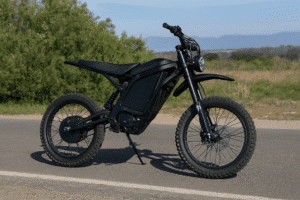
NYC riders are facing a big shift this year, and the rules can feel confusing if you have not kept up. The city is lowering speed limits, tightening safety rules, and putting more pressure on both riders and delivery apps.
If you ride an e-bike in the city, you now have one simple task. Know the rules before you hit the street. It will save you money, stress, and possibly your bike.
NYC E-Bike Laws At a Glance
Here is a quick snapshot of the rules so riders can see everything in one place before diving into the details.
- Maximum speed for all e-bikes in NYC is 15 mph.
- E-bikes must stay in bike lanes, vehicle lanes, park drives, and greenways.
- Riding on sidewalks is illegal unless a sign specifically allows it.
- Riders must be at least sixteen years old.
- Helmets are required for riders aged sixteen to seventeen and for all Class 3 riders.
- Class 1, Class 2, and Class 3 e-bikes are fully legal in NYC.
- No license, insurance, or DMV registration is required.
- Bridges must have a marked bike lane for e-bike use.
- Illegal or modified high-speed bikes can be seized by NYPD.
- Only UL-certified batteries and chargers can be sold or shipped to NYC.
Are E-Bikes Legal in NYC?
Yes, e-bikes are legal in New York City as long as they fall under Class 1, Class 2, or Class 3 and follow the city’s new 15 mph speed limit. These bikes do not require registration, a driver’s license, or insurance, which makes them very different from mopeds and electric motorcycles.
NYC fully legalized e-bikes a few years ago, but the city has continued to refine its rules as ridership grows. The three-class system makes things easier, yet many riders still get stopped because their bikes look too fast or resemble mopeds.
The key difference comes down to speed and how the motor works. If it can exceed the assisted limit or run without pedals, the NYPD may treat it as a moped.
That is why staying within NYC’s rules matters.
NYC’s New 15 MPH Speed Limit
NYC’s new citywide e-bike speed limit is 15 mph, and enforcement begins October 24, 2025. This rule applies to every class, including Class 3 models that normally assist up to 25 mph. The city says the goal is to create one clear standard for all riders and make busy streets feel safer for everyone.
Mayor Eric Adams said the decision came from listening to New Yorkers. In his words, “we have heard New Yorkers from across the five boroughs share their concerns about e-bikes speeding recklessly through our streets.” He also said, “lowering the speed limit will protect e-bike riders, pedestrians, and everyone who shares our streets.”
The change follows a rise in complaints about fast riding and a steady increase in e-bike collisions. Even though e-bikes make up a small share of total crashes, city officials believe the speed cap will help reduce serious injuries.
The DOT noted that the rule mirrors best practices used in many places, including the European Union where the standard e-bike limit is roughly 15 mph.
The city will start with education before enforcement. NYPD will issue warnings to first-time offenders, install digital speed signs along major bike routes, and use the 15 mph rule as a secondary violation when other unsafe behavior is observed.
Once full enforcement begins, fines can start at one hundred dollars and bikes that exceed the limit may be impounded.
Where You Can and Cannot Ride an E-Bike
You can ride an e-bike almost anywhere regular bikes are allowed, as long as you follow the rules.
Allowed:
- Bike lanes
- Vehicle lanes
- Park drives
- Greenways and shared paths
Prohibited:
- Sidewalks
- Pedestrian-only park paths
- Any location restricted by posted signs
Bridges:
- Only on bridges with a marked bike lane
- Not allowed in vehicle lanes
- Walk your bike if the bridge path is too narrow or signed as pedestrian-only
NYC E-Bike Age and Helmet Rules
NYC keeps its age and helmet rules simple. You must be at least 16 years old to legally ride any e-bike in the city. Younger riders often try to use Class 2 throttles, and that is one of the quickest ways to get stopped by the NYPD.
Helmet rules depend on age and bike class. Riders aged sixteen and seventeen must wear a helmet at all times. Class 3 riders must wear one regardless of age.
Helmets are recommended for everyone else, and most injury data shows that wearing one reduces the risk of serious head injuries. Police can issue summonses for violations, especially for younger riders or anyone riding a Class 3 bike without a helmet.
E-Bike Classes in NYC Explained
NYC recognizes all three classes of legal e-bikes, and they are simple once you understand how the motor works. Each class follows the same 15 mph limit inside the city, although the max assist levels differ outside NYC.
Here is how each one works.
- Class 1: Pedal assist only with a motor that helps up to 20 mph. These are common for commuters and feel closest to a regular bike.
- Class 2: Throttle-operated with a max speed of 20 mph. These bikes move even when you are not pedaling.
- Class 3: Pedal assist up to 25 mph, often used by delivery workers. In NYC, they must follow the 15 mph cap just like the other classes.
If the bike goes faster than these limits or works without pedals, it is usually classified as a moped, which needs registration and a license. Staying within the e-bike category keeps things simple and keeps you out of trouble on NYC streets.
E-Bike Violations and Penalties in New York
NYC treats e-bike violations seriously, especially now that the new 15 mph limit is in place. Riders can be fined or even lose their bike if they ignore the rules. Once you know the basics, it is much easier to avoid problems on the road.
Here are the most common violations riders run into:
- Riding on sidewalks can lead to a criminal summons from the NYPD and possible impoundment.
- Exceeding the 15 mph speed limit can result in fines starting at $100.
- Running red lights, ignoring stop signs, or riding against traffic can lead to a criminal summons just like a traditional bicycle violation.
- Using an illegal or modified bike that goes faster than allowed may lead to immediate seizure.
- Riding in pedestrian-only areas can bring tickets and bike removal by park enforcement.
NYC’s New Battery and Charging Laws
NYC created strict lithium-ion battery rules after a rise in apartment fires linked to unsafe charging and uncertified batteries. The city now requires all e-bikes and batteries sold within the city to be UL-certified.
Stores that sell uncertified batteries can be fined, and illegal batteries may be seized on the spot. Online sellers are also banned from shipping uncertified batteries into NYC.
These rules were made to protect riders and people living in multifamily buildings.
FDNY has pushed for safer charging, and the city is also rolling out outdoor charging hubs for delivery workers. These hubs offer safe storage, certified charging, and reduce the need for indoor charging in apartments where most fire incidents have occurred.
Safety Tips for Riding an E-Bike in NYC
NYC can be a crowded place to ride, so a little preparation goes a long way. A few simple habits will make your daily rides smoother, safer, and less stressful.
Helpful tips to keep in mind:
- Use bike lanes whenever possible to avoid close calls with cars and pedestrians.
- Keep your speed steady near crowded intersections so you have time to react.
- Wear a helmet, even if it is not required for your class. The protection is worth it.
- Make yourself visible with bright clothing and lights, especially at night.
- Charge your battery in a safe, open area using only UL-certified chargers.
- Check your brakes often, since NYC riding involves frequent stops.
- Stay alert around delivery zones and parked cars to avoid dooring incidents.
Further reading:
Final Words
NYC’s e-bike rules have changed quickly, and 2025 brings the biggest update yet with the new 15 mph speed limit. As long as you stay within the legal classes, follow the speed cap, avoid sidewalks, and use certified batteries, riding in the city stays simple and stress-free.
These rules are not here to make riding harder. They are meant to keep everyone safe, from daily commuters to delivery workers moving through busy streets.
When you take a little time to understand the basics, your rides feel smoother, safer, and a lot more predictable.
FAQs
Do I need a license to ride an e-bike in NYC?
No, you do not need a license to ride a legal Class 1, Class 2, or Class 3 e-bike in NYC. These bikes are treated like bicycles, not motor vehicles. The only time a license is required is when the bike functions like a moped and exceeds legal e-bike limits.
Can police seize my e-bike in NYC?
Yes, the NYPD can seize e-bikes that violate city rules. This usually happens when a bike goes faster than allowed, is modified to exceed the limit, or is being ridden on sidewalks or in prohibited areas. Illegal mopeds disguised as e-bikes are the most commonly confiscated.
What is the difference between an e-bike and a moped?
A legal e-bike always has pedals and stays within the city’s speed and motor limits. A moped can go faster, may not require pedaling, and must be registered with the DMV. If your bike behaves like a moped, the city will not treat it as an e-bike.
Are throttle e-bikes legal in NYC?
Yes, throttle e-bikes are legal as long as they fall under Class 2 and follow the 15 mph NYC limit. A throttle that pushes the bike above the legal speed range can cause it to be classified as a moped instead.
Can I ride on the Hudson River Greenway?
Yes, e-bikes are allowed on the Hudson River Greenway because it is a designated bike and shared-use path. You still need to follow the 15 mph limit and watch for high pedestrian traffic.
What happens if I modify my e-bike to go faster?
Modifying an e-bike to exceed NYC’s speed limit can make it illegal and subject to seizure. It may also void your warranty and create a safety risk, especially with battery and motor stress. Police treat modified high-speed bikes as unregistered mopeds.

Al Amin Morshed is the founder of BoltBikers and a seasoned e-bike reviewer with years of hands-on experience testing electric bikes. As a long-time e-bike enthusiast, he combines real-world riding insights with in-depth research to create honest, helpful content for riders of all levels. Through BoltBikers, Morshed aims to make e-biking more accessible, practical, and enjoyable – whether you’re a new rider or a daily commuter looking for the best gear.